Essex County
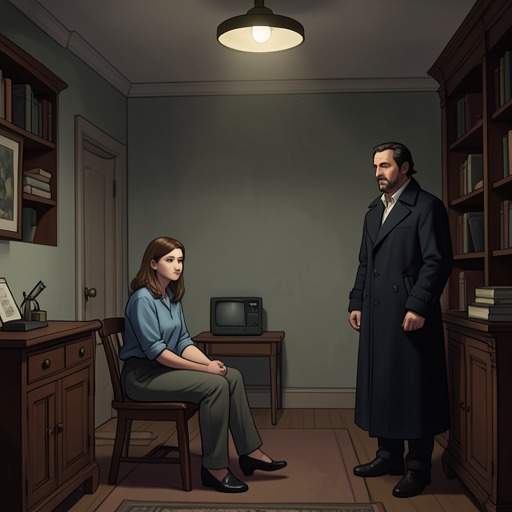
The InnocentEssex County is the jurisdiction where Loren Muse works as a homicide investigator, placing her professional role within the novel’s New Jersey investigations. Although the evidence identifies the county chiefly through her work, its appearance establishes a grounded institutional setting against which the story’s unresolved deaths and private grief are pursued.
Investigative Setting
Loren is introduced in her superior’s office as an Essex County homicide investigator. Her title situates her within a county-level investigative structure, while the office conversation establishes a practical concern with which prosecutor she will report to. The exchange also shows her interacting with her boss through dry humor before turning to the question of prosecutorial responsibility.
The references to Loren’s work connect Essex County to the novel’s broader law-enforcement narrative. The evidence does not specify the county’s boundaries, towns, or administrative arrangements, but it does make the jurisdiction an important part of the setting for homicide investigation rather than merely a place-name.
Law, Evidence, and Grief
Loren’s work unfolds amid sharply different responses to death. In a conversation with Mother Katherine, Loren threatens to seek a court order, indicating that her investigation may require formal legal authority to obtain information. The moment shows her operating through institutional means even when a source is reluctant to cooperate.
Elsewhere, Sonya McGrath tells Loren that Stephen had not known any of the boys involved in the fight. Sonya’s question bears on how the events surrounding Stephen’s death are understood, while her later insistence to Clark that what happened was an accident underscores the struggle over how responsibility should be named. These conversations place investigative work beside the emotional and moral arguments that follow a death.
Narrative Significance
Essex County’s significance is functional and thematic: it anchors Loren’s homicide-investigation role in a defined jurisdiction, while the surrounding scenes make clear that investigation does not settle grief or culpability by itself. The story juxtaposes procedural questions—who Loren reports to and whether she needs a court order—with personal judgments about blame and accident.
That tension extends to Loren herself. At a later point she tells someone that she always blamed them, a brief statement that brings the language of investigation and accountability into the realm of private grief. The available evidence does not establish this exchange as an event occurring in Essex County, but it resonates with the county’s association with the work of tracing deaths and confronting their aftermath.